
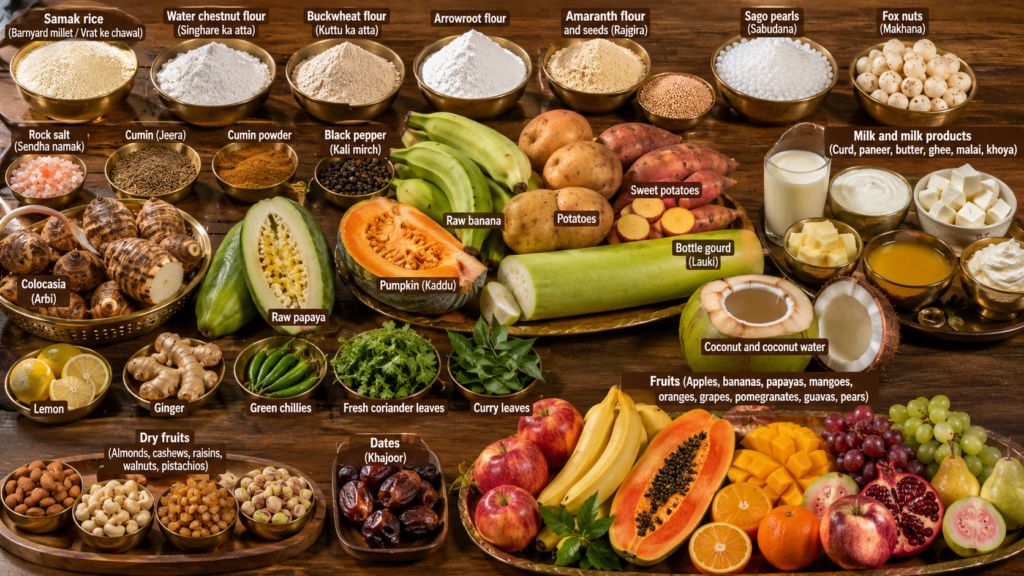
Ekadashi Vrat Food List & Guidelines | What to Eat & Avoid
Ekadashi fasting is a deeply spiritual commitment dedicated to Lord Vishnu, centered on inner peace and devotion. But when it
“In our home, cooking during a fast is not merely about restricting ingredients—it is an extension of daily worship, rooted in purity, devotion, and ancestral tradition.”
Welcome to our dedicated space for Vrat & Sattvik Food Guidelines.
For me, the rules of fasting, kitchen Shuddhata, and ingredient selection are not guidelines compiled from internet searches—they are non-negotiable standards I learned in childhood, watching and following the customs taught by my elders in our devout Hindu Bengali family.
Growing up in a home where daily worship is central, we were taught early on that Sattvik cooking is an act of mindfulness. Whether preparing a simple meal during Sawan Somwar or Chaitra, or cooking sacred Bhog for special festivals, every rule we follow comes directly from generations of lived devotion, care, and household discipline.
We believe that spiritual fasting should be both deeply authentic and practically achievable for modern households. In our guides, you will find a blend of traditional principles and real-life wisdom:
Non-Negotiable Ingredient Selection: Choosing untouched, pure, and unadulterated ingredients—from pure Sendha Namak to unrefined Ghee—is the foundation of any true vrat. We break down what is strictly permitted, what is avoided, and the subtle gray areas that often confuse fast-observers.
Dedicated Cookware & Spatial Boundaries: True kitchen purity doesn’t require a second kitchen—it requires clear boundaries. In our home, we maintain a dedicated set of utensils, knives, and cookware safely stored in separate closets strictly for Sattvik cooking and festival Bhog. On fasting days, regular cookware is kept at a safe distance to prevent any cross-contamination.
Personal & Home Purification (Suchi): In our tradition, kitchen purity is inseparable from personal purity. Before any Puja is performed or any sacred food is touched, the house is cleaned (Ghar Muchha), a purifying bath (Shudho Snan) is taken, and fresh, clean clothes (Shudho Kapor) are worn.
Nitya Prasad vs. Vishesh Bhog: We understand the real-life balance of a modern working household. While our daily Nitya Puja at the home altar focuses on pristine, untouched offerings like Batasa, Mishri, Nakul Dana, and bathing the Shivling with Gangajal, elaborate cooked Sattvik Bhog is reserved for special sacred occasions (Parva) like Janmashtami, Ganesh Chaturthi, or Sawan Somwar, when the entire kitchen is dedicated solely to festival prep.
Respecting Regional Diversity: From the strict Phalahar rules (grain-free, flour-based) common during Navratri to regional Eastern traditions like Siddha Ahaar (simple, pure boiled seasonal vegetables with rice and ghee eaten after evening prayers during Shravan and Chaitra Mondays), we honor and explain the diverse ways devotees observe their austerities across India.
This hub is designed to be your complete, worry-free resource for fasting rules, offering:
Master Ingredient Guides: Detailed breakdowns of allowed vs. restricted foods for Shravan, Navratri, Santoshi Mata Vrat, and more.
Festival & Temple Food Nuances: Deep-dives into ancient purity standards, such as the sacred rules of Jagannath Puri Mahaprasad and no-onion, no-garlic cooking.
Purity & Kitchen Mechanics: Practical advice on managing shared kitchens, utensil separation, and maintaining Suchi without stress.
Pure Sattvik Interlinking: Direct connections to our pure, step-by-step recipe guides—prepared strictly with permitted ingredients (for demonstration).
Whether you are observing your very first Sawan Somwar vrat, looking to refine your kitchen purity practices, or simply seeking authentic Sattvik guidelines passed down through generations, may these guides bring peace, clarity, and devotion to your fasting journey.
Om Namah Shivaya | Jai Maa Annapurna
Ekadashi fasting is a deeply spiritual commitment dedicated to Lord Vishnu, centered on inner peace and devotion. But when it
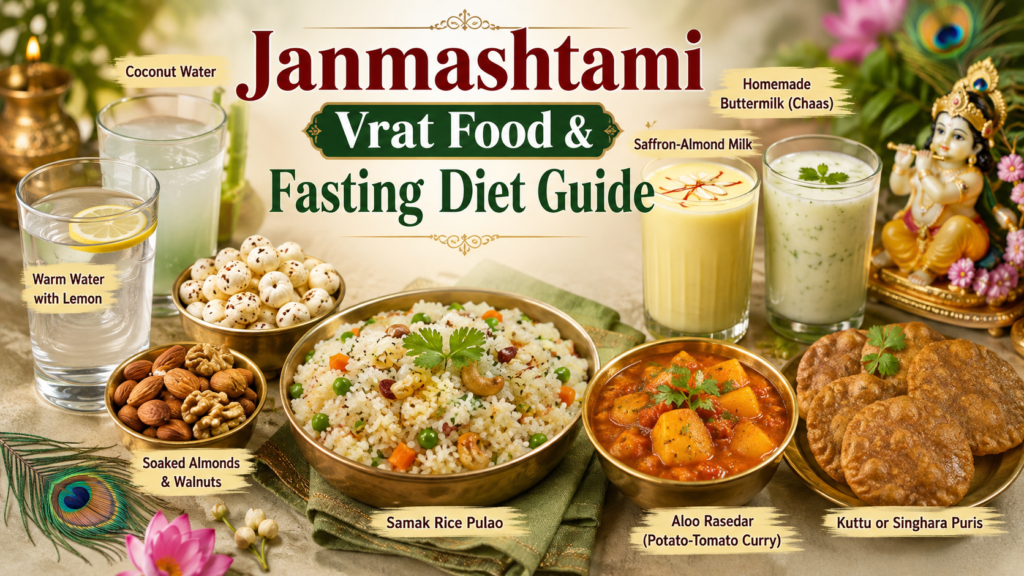
Celebrating Lord Krishna’s divine birth is a deeply spiritual experience, and observing a traditional fast is a sacred way to
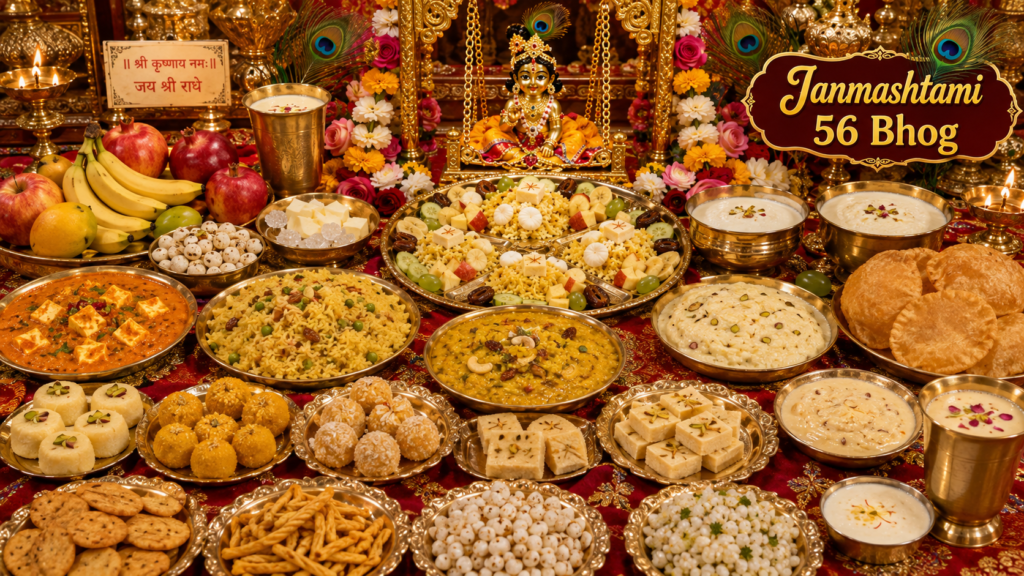
Discover authentic Satvik Janmashtami recipes and the ultimate 56 Bhog list. Prepare traditional offerings using pure & sacred ingredients for Bal Gopal.
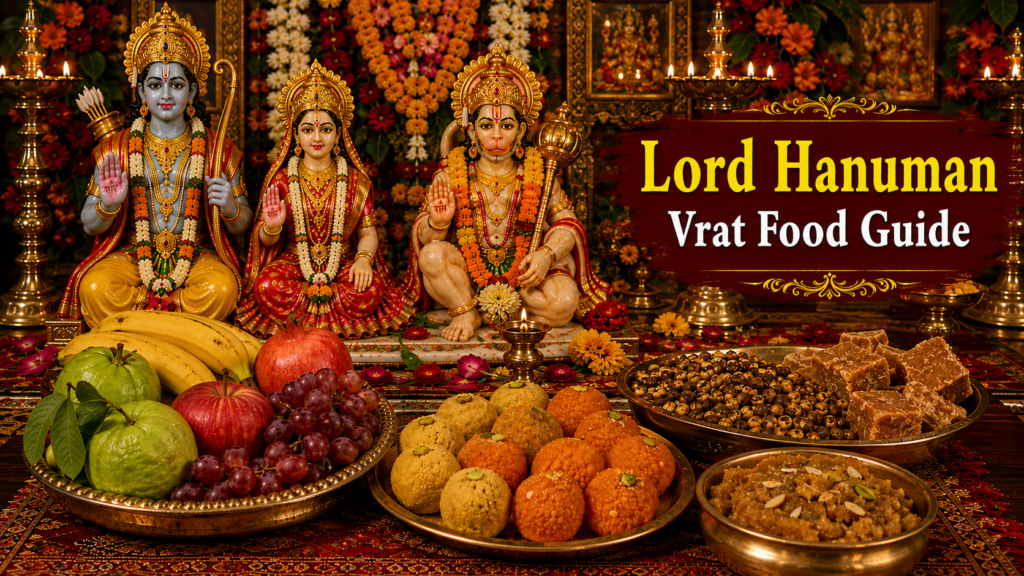
Observing a Tuesday fast (Mangalvar Vrat) dedicated to Bajrangbali (Lord Hanuman) is a cherished tradition among millions of devotees seeking
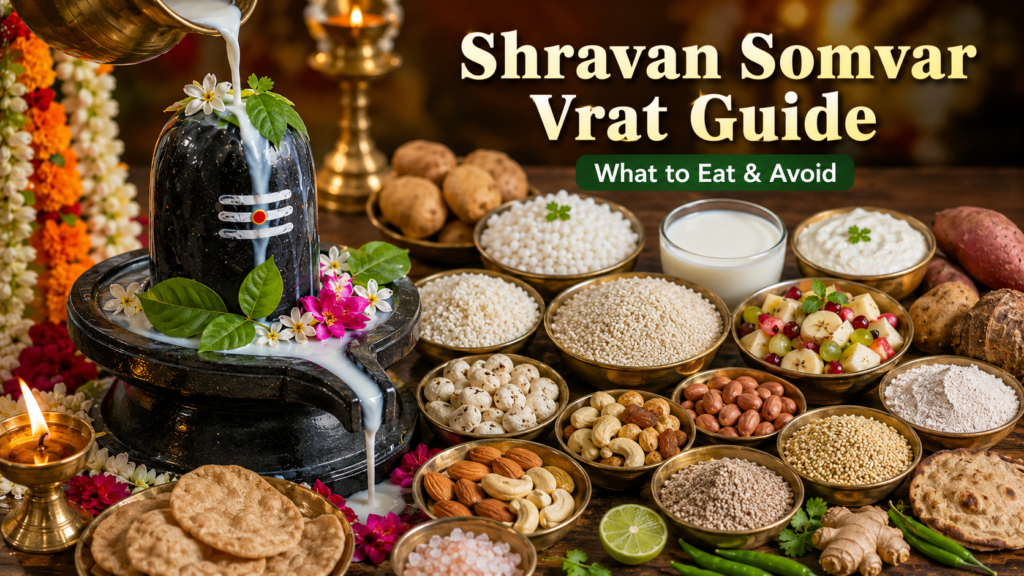
The ultimate Shravan Somvar Vrat food guide for 2026. Discover allowed sattvic foods, ingredients to avoid, spice rules, and fast-breaking diet tips.
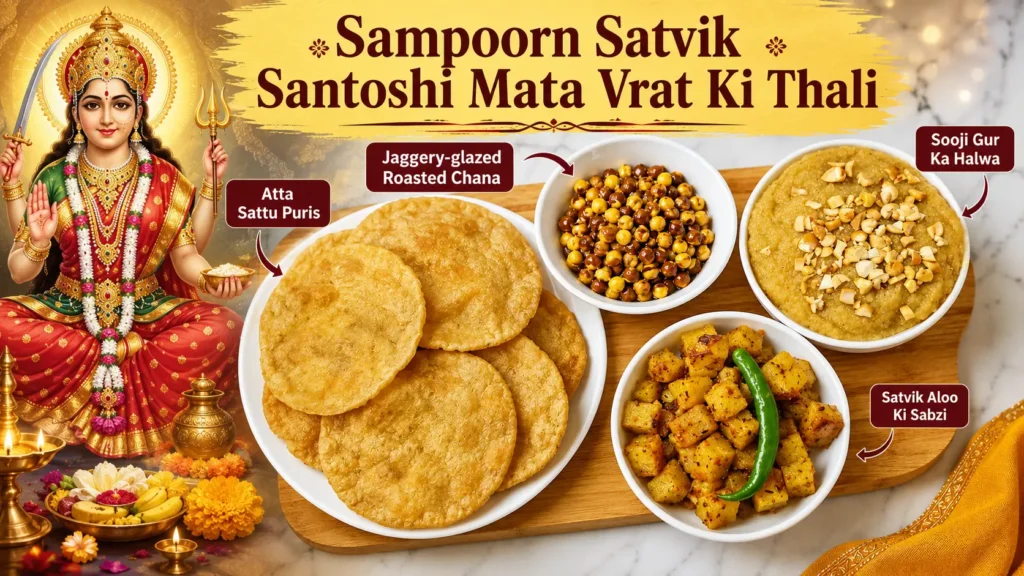
Fasting for Santoshi Mata on Fridays? Read our in-depth Santoshi Mata Vrat Food Rules guide to know the items to eat & what to avoid. No-sour recipes included.
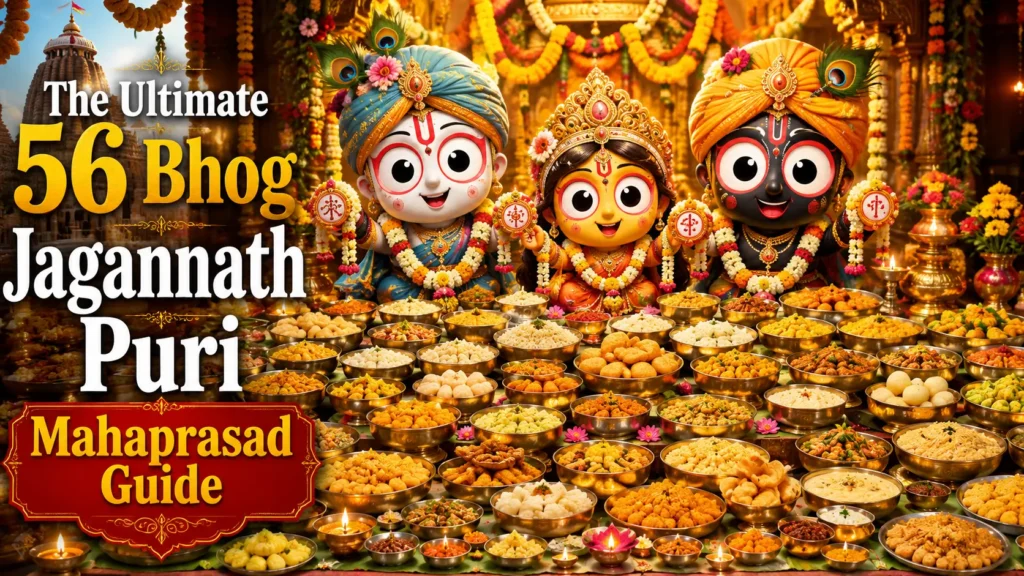
Discover the sacred kitchen secrets of Lord Jagannath, authentic, Sattvic temple-style recipes & forbidden ingredients in our Jagannath Puri Mahaprasad Guide.
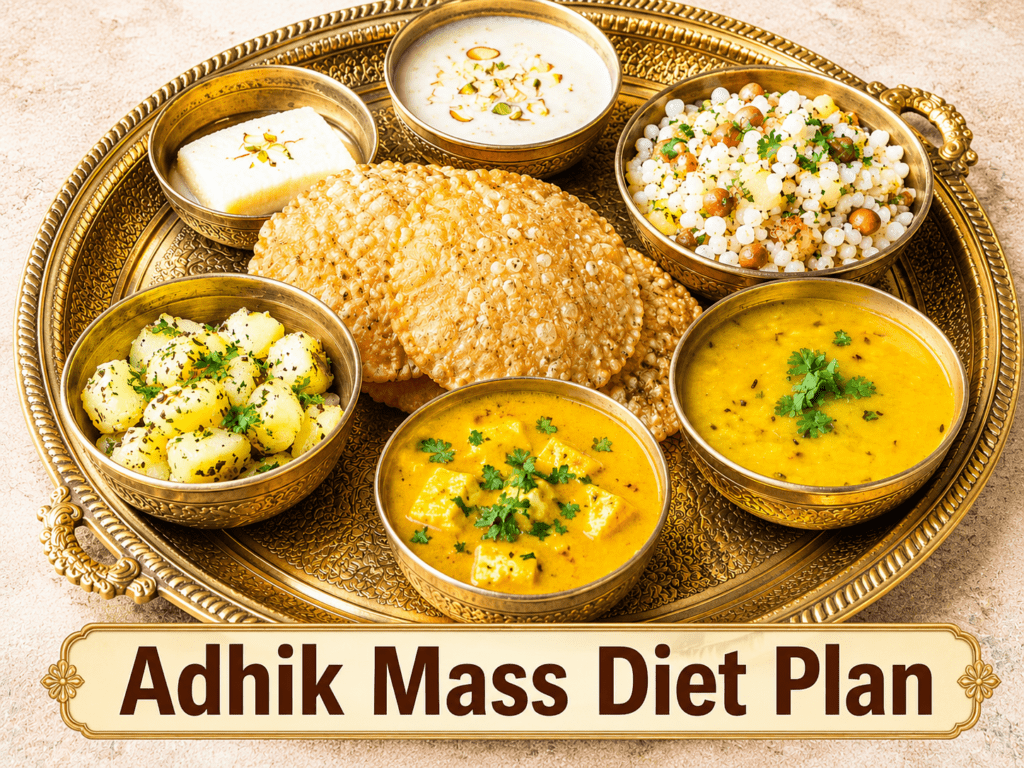
The sacred Adhik Maas 2026 (also known as Purushottam Maas or Mal Maas) is a rare and beautiful structural pause