
Some of the links on this website are affiliate links, which means that I may earn a small commission at no additional cost to you if you click through and make a purchase. I only recommend products or services that I personally use and believe will add value to my readers. All opinions expressed here are my own. Thank you for supporting Easy Good Food!
Are You Sure That Paneer on Your Plate Is Real?
If recent headlines are anything to go by, you might want to think twice before buying that next block of paneer from the local market. Food safety authorities have been cracking down heavily on massive stocks of synthetic, “analogue” paneer made from cheap vegetable fats, detergent, and starch, leaving consumers wondering what is actually ending up on their family’s dinner tables. When peace of mind feels like a luxury, taking control of your food is the ultimate power move. At this point, my priority was to provide a recipe for those looking for how to make paneer at home without synthetic additives or binding agents.
Enter the easiest kitchen hack ever: making your own fresh chhena at home takes only 15 minutes with zero preparation. Looking at the market scenario and the dilemma of making veg protein rich foods, I am sharing an easy chhena recipe – rice cooker edition.
Far from being a tedious or messy chore, pure homemade chhena is lightning-fast, deeply rewarding, and—with a clever swap for calcium lactate powder—drastically cheaper than you think. Skip the chemical-laden market blocks and the constant waste of expensive lemons; here is how you can make completely safe, premium chhena at home for pennies.
Fresh homemade chhena is my secret weapon for everything from melt-in-your-mouth sweets to velvety, rich dishes. If you’ve ever skipped making it out of sheer frustration, let me show you the stepwise method to make soft and delicious chhena in a rice cooker. It is fast, easy and eliminates the job of washing to remove the extra tart.
Trust me, this method is a game-changer making your job an effortless and enjoyable experience. Get ready to impress your friends and family with your homemade sweets, crunchy veg snacks and luscious curries, all thanks to this handy kitchen appliance!
Why Use a Rice Cooker for Making Paneer?
If you have always boiled your milk in a traditional kadhai or heavy-bottomed pan, shifting the process to a standard electric rice cooker offers a few game-changing advantages:
- Gentle, Even Heat Distribution: Gas burners create intense local hot spots that can cause milk proteins to seize up or burn before they even reach a boil. A rice cooker provides a controlled, ambient thermal environment that heats the milk uniformly.
- Zero Scorching or Sticking: The non-stick inner pot of a rice cooker means you can walk away or prep your straining cloth without coming back to a stubborn, black layer of burnt milk at the bottom of the vessel.
- Reliable Temperature Control: When you introduce your diluted souring agent, the steady drop and hold of temperature inside the cooker allows the whey to separate cleanly without shocking the milk into rubbery, tough lumps.
- Low-Effort Workflow: No standing guard with a spatula. You let the appliance do the heavy lifting of bringing the milk to the right thermal threshold, leaving you free to focus on the next steps of your recipe.
How to Make Paneer at Home in the Rice Cooker
Cooking perfectly soft chhena is the first step to making delicious sweets that melt in the mouth. Even before you focus on how well you drain the water, it is necessary to focus on the core steps to get the ultimate texture. For the fail-proof results everytime, you may check out my recipe card below or print and save a copy in your kitchen.
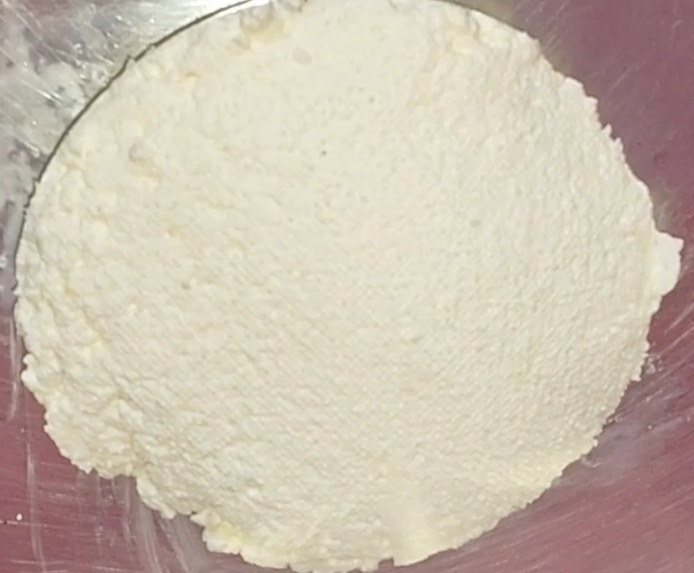

Perfectly Soft Homemade Paneer Recipe | Cottage Cheeese Recipe
Ingredients
Equipment
Method
- Take 1 tsp calcium lactate powder in a bowl. Dilute it in 1/2 cup water. Stir to dissolve the powder completely in the water.
- Boil milk at the Cook mode in the rice cooker.
- Flip the switch to Warm mode and add the calcium lactate solution to the boiled milk immediately.
- Mix well and wait for milk to curdle and leave the light greenish water.
- Strain the water from the chhena using a sieve or cheese cloth.
- After draining the water, place the paneer block in the fridge for 2 hours.
- Cut the paneer cubes as per requirement, season with salt and spices (optional). The cubes are ready for paneer curry recipe.
- Mash the paneer block and season with salt and powder spices (turmeric, red chilli, garam masala, and black pepper).
- Add a few drops of any cooking oil (preferably mustard oil for enhanced flavour). Sprinkle about 2 tsp of chickpea flour (besan) for rich taste and binding.
- Form a block and cut 1 inch cubes for curries. You may use the mashed mixture for any snacks recipe.
Video
Once your fresh chhena is ready and drained to the right moisture level, you can use it immediately to whip up a batch of festive Nolen Gurer Sondesh.
Homemade Chhena vs. Store-Bought Paneer: Why Quality Matters
There is a massive gulf between a rubbery, vacuum-sealed block from the grocery aisle and fresh chhena prepared in your own kitchen. While store-bought paneer is built for shelf-life, that convenience comes with a few hidden compromises:
- Preservatives and Additives: Commercial paneer often contains stabilizers, emulsifiers, or mold inhibitors (like sorbates or nisin) to help it survive weeks in transit and on store shelves. When you make it at home, your ingredient list is delightfully simple: pure milk and a natural souring agent. No chemical preservatives, no artificial whiteners, and no guessing what went into the processing plant.
- Zero Rubberiness: Store-bought blocks are heavily pressed and chilled, which squeezes out the natural whey and tightens the milk proteins into a tough texture. Making your own lets you control the exact moisture level—whether you want it crumbly-soft for sweets or lightly pressed for a quick curry.
- Starch and Fillers: Many commercial dairy brands mix in milk powders, vegetable oils, or starches to firm up the block and increase yield. This alters the protein structure, leading to that dense, squeaky, or chalky bite when you cook it. Fresh chhena retains its natural moisture and milk fats, giving you an authentic, melt-in-your-mouth tenderness.
When your foundation is pure and unadulterated, every recipe you build with it—from delicate festive mithai to rich, velvety curds—tastes noticeably cleaner and fresher.
How to Make Pure Paneer at Home – Making Paneer Blocks from Chhena
Once you have strained your fresh chhena in a muslin cloth, it is time to press it into a block.
A quick word of honesty: If you are used to the heavy, rubbery snap of store-bought packaged paneer, your homemade block will feel a bit different. Because commercial manufacturers often use binding agents, stabilizers, and industrial heavy-press machinery (and sometimes worse), store-bought blocks are unnaturally rigid and dense.
Your homemade paneer block will naturally be softer, tender, and melt-in-your-mouth fresh. But that slight difference in texture is actually your biggest badge of honor. It means you are eating pure, unadulterated dairy free of synthetic fats, chemicals, and preservatives. When it comes to feeding your family, a soft, wholesome, and genuinely safe block of paneer on your plate beats a suspicious, factory-processed block every single time.
Budget-Friendly Tip: Use Calcium Lactate Powder as Souring Agent
If you are looking to keep your homemade chhena costs to an absolute minimum, skip the lemons and vinegar and switch to calcium lactate powder. It is a safe for health and game-changer for budget cooking and home dairy preparation. Besides, money-saving, using this souring agent offers multiple benefits.
- Incredible Cost-Effectiveness: A large packet costs just around Rs. 30 and goes a long way.
- Dosage Efficiency: Just 1 teaspoon is entirely sufficient to curdle 1 liter of milk perfectly.
- Long-Lasting Supply: If you make chhena about 15 days a month, a single packet will comfortably last you a full 1 month.
- Superior Shelf Life: Unlike fresh lemons or opened vinegar bottles that can lose potency or spoil, calcium lactate powder boasts an impressive shelf life of up to 1 year.
- Zero Sourness & No Washing Hassle: Traditional acids leave behind an ugly vinegar smell or an extra-tart taste, forcing you to aggressively wash the chhena under running water. With calcium lactate, no washing is needed, eliminating that entire chore.
- Locks in Maximum Nutrition: Washing traditional chhena under water actually strips away vital milk fats and proteins, reducing its nutritional value. Because calcium lactate requires zero rinsing, all those precious nutrients stay locked in.
- Pure, Delicious Taste: The resulting chhena tastes superb and has zero harsh aftertastes. In fact, it tastes so good you can enjoy it straight out of the bowl with just a teaspoon of sugar as a wholesome treat!
- The Verdict: It is not only significantly cheaper per batch than using fresh lemons or white vinegar, but it also preserves food value, saves time, and eliminates food waste, making it a proud addition to your budget cooking repertoire!
20+ Ways to Use Homemade Paneer in Everyday Cooking
When you have a fresh batch of soft, moist chhena ready, its versatility goes far beyond basic sweets. Here are over 20 ways to use it across sweet and savory cooking:
Traditional Bengali & Indian Sweets
- Nolen Gurer Sondesh: Fold the fresh chhena with aromatic date palm jaggery for a winter classic.
- Classic Sandesh: Lightly knead with powdered sugar and a touch of cardamom or saffron.
- Rasgulla: Roll smooth, crack-free balls and drop them straight into a light boiling sugar syrup.
- Cham Cham: Shape into cylinders, boil in syrup, and stuff with khoya or malai.
- Kala Jamun: Mix chhena with a bit of khoya and maida, fry dark, and soak in syrup.
- Chhena Poda: Bake it with caramelized sugar, cashews, and cardamom for the iconic caramelized Odia cake.
- Malai Pua: Crumble fine chhena into your rabri or pancake batter for extra richness.
- Chhena Kheer (Payesh): Drop tiny soft chhena balls into sweetened, thickened cardamom milk.
- Stuffed Narkel Naru: Add chhena to grated coconut and jaggery for a softer, richer festive ladoo.
- Chhena Jalebi: Blend chhena into a fermented batter to make thick, juicy, rich jalebis.
Savory Curries & Festive Mains (Niramish & Fasting-Friendly)
- Chhena Dum Aloo: Toss soft chhena chunks into a rich, ginger-yogurt potato gravy without any tomatoes or onions.
- Chhena Kofta Curry: Shape spiced chhena into delicate dumplings and simmer them in a velvety cashew or yogurt sauce.
- Mattar Chhena: Swap out standard paneer cubes for fresh, tender chhena in a classic green peas curry.
- Palak Chhena: Fold crumbled chhena into a smooth, garlic-free spinach puree.
- Chhena Dalna: A traditional festive Bengali curry featuring fried or soft chhena cubes with potatoes in a cumin-ginger gravy.
- Shahi Chhena Korma: Simmer chhena in a rich, mild white gravy made from melon seeds, yogurt, and whole spices.
Snacks, Quick Bites & Breads
- Chhena Paratha: Stuff a well-drained, spiced chhena mixture inside whole wheat dough for a high-protein breakfast flatbread.
- Chhena Cutlets / Tikkis: Mix chhena with boiled potatoes, green chilies, and herbs, then pan-fry until golden and crisp.
- Chhena Bhurji: Sauté crumbled chhena quickly with green chilies, ginger, turmeric, and fresh coriander for a protein-packed morning scramble.
- Stuffed Sandwich Filling: Mix herbs, black pepper, and salt into soft chhena for a creamy, healthy sandwich spread.
- Chhena Roll / Wrap: Wrap spiced chhena bhurji inside a roti or paratha with crisp onions and chutney.
No More Health-Risks from Store-Bought Paneer Blocks
Mastering how to make paneer at home in your rice cooker changes the entire cooking experience—eliminating the scorched pots, the guesswork, and the hidden additives of commercial blocks. With just a simple appliance and pure, unadulterated milk, you get silky, melt-in-your-mouth curds that elevate everything they touch.
Whether you are shaping it into delicate festive sweets or folding it into a cozy, comforting curry, starting from scratch brings out a clean, rich flavor that unhealthy analogue paneer simply cannot match. Plug in your rice cooker, skip the grocery aisle, and taste the difference fresh dairy makes in your kitchen today.
Enjoyed this post? Join our community of home cooks! Subscribe to our YouTube channel and follow our social media handles for daily Vrat-friendly tips, induction cooking hacks, and authentic Indian flavors delivered straight to your feed.