It is not surprising if craving for the luscious nolen gur desserts hit hard on a winter afternoon. My go to dish at this point is the creamy, yummy date palm rice kheer — the king of winter desserts in West Bengal. Do not worry, my version of the traditional nolen gurer payesh recipe is easier than you think. The temperature control is a breeze when you ditch the gas oven and move to the electric cooker.
This iconic rice pudding features the elusive, seasonal date palm jaggery that foodies wait all year for. If you’re looking for the ultimate comfort food to warm your soul this season, you’ve found it.
When you have less time in hand and want a simple version of this popular recipe, try my method. Believe it or not, the pot was empty within minutes. Let’s dive into the most authentic way to make this Bengali classic at home.
Nolen Gurer Payesh Recipe – Date Palm Rice Kheer
When I have less ingredients in the pantry, here is the secret hack on how to make nolen gurer payesh fast. Follow the simple steps and do not forget to print the recipe card for your kitchen.
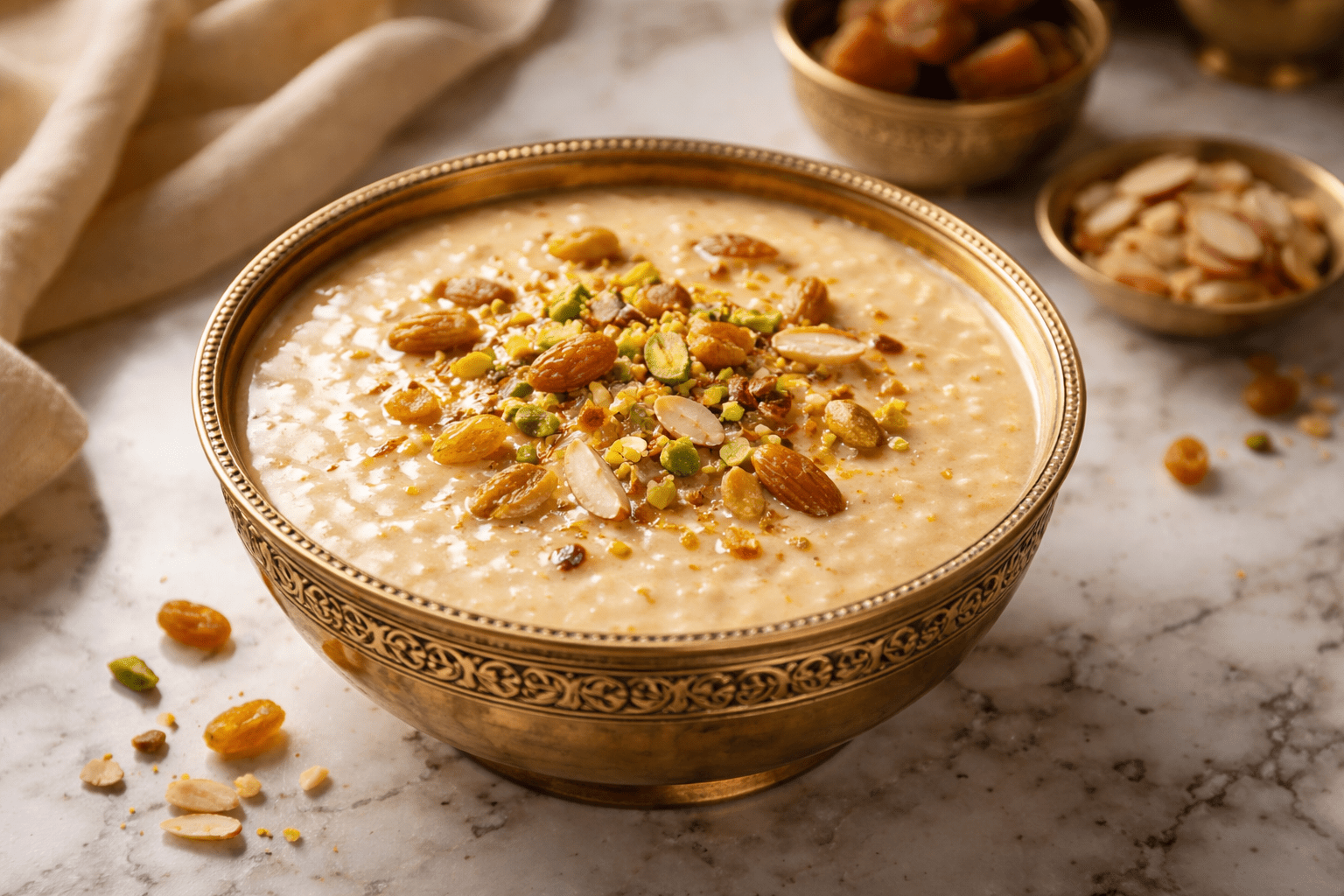

Nolen Gurer Payesh
Ingredients
Method
- Before placing the inner pot (cooking pot) on the heating coil, ensure the outer surface of the pot is dry and safe for electricity contact. Place the pot containing milk on the heating coil.
- Wash the gobindobhog rice 2-3 times until you can see the grains at the base. Soak the rice in clean water for 30 minutes.
- Switch on the electric cooker to ‘Cook Mode’. Simmer the milk and stir frequently.
- Drain the water completely when the grains swell up. Add the washed rice as the milk starts boiling. Keep stirring the milk and the rice to avoid burning or sticking at the base. Boil the rice to a soft texture.
- Put 2 tsp of milk powder to get the ultimate thick and creamy consistency. Stir continuously to dissolve the milk powder in the nolen gurer payesh.
- Break the patari gur into pieces or grate the date palm jaggery chunk.
- When the kheer is cooked completely, switch the rice cooker to ‘Warm Mode’. Now add the nolen gur and mix properly.
Video
Notes
💡 Pro-Tips for the Perfect Payesh
- The Temperature Secret: To prevent the milk from curdling, never add the jaggery while the rice cooker is on the “Cook” setting. I switched to “Warm Mode” before folding in the Nolen Gur. This allows the jaggery to melt beautifully into the pudding without the risk of splitting.
- Rice Prep: For that authentic aroma, use Gobindobhog rice. Rinse it gently and let it soak water for 30 minutes. You may also toss it in a teaspoon of ghee before adding it to the milk to enhance the fragrance.
- Consistency is King: The payesh will thicken significantly as it cools. If it looks a little runny in the rice cooker, don’t worry—it will reach that perfect creamy density by the time you’re ready to serve.
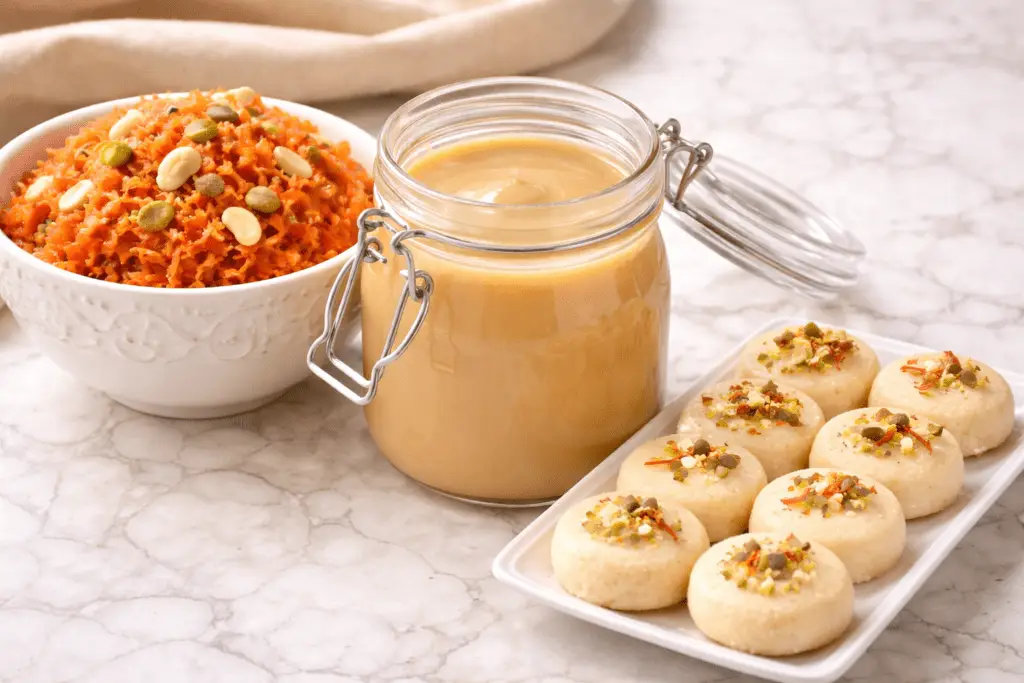
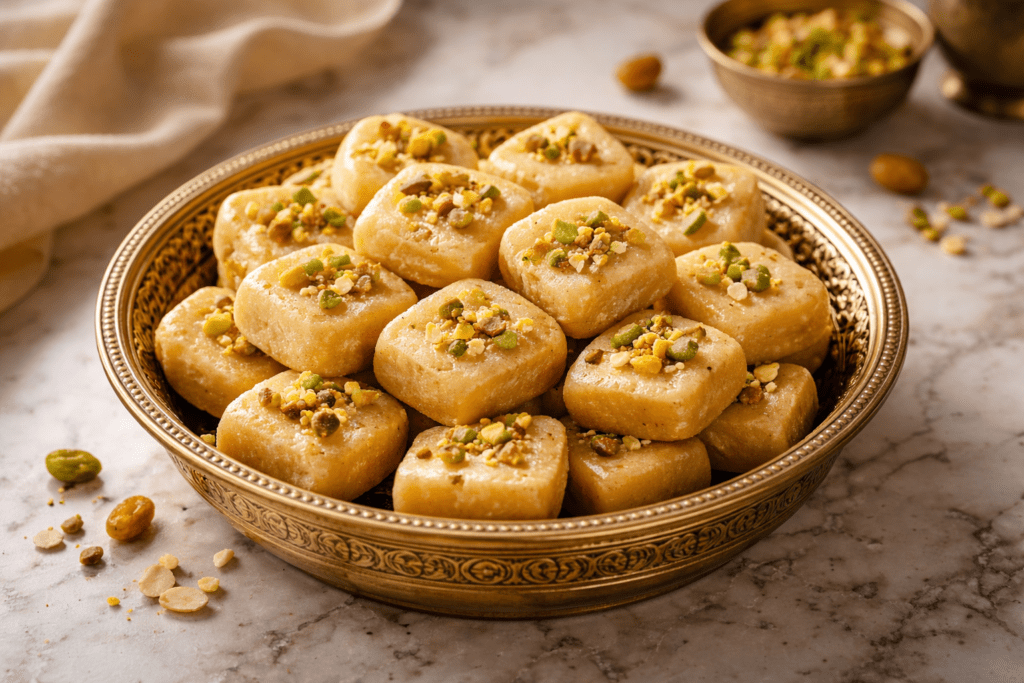
Complete Your Bengali Dessert Spread 🍬 Planning a winter feast? A bhuri-bhoj never finishes with just one Bengali sweet. While the rice cooker handles your payesh, you can whip up a batch of my melt-in-the-mouth Nolen Gurer Sandesh.
Best Ingredient Swaps for Creamy Payesh
While the smoky, floral aroma of authentic Date Palm Jaggery is hard to beat, you can still achieve a soul-satisfying dessert with these clever alternatives. Whether you’re cooking on a chilly winter morning or it’s the middle of summer, here is how to adapt this Rice Cooker edition of my Bengali nolen gurer payesh recipe:
1. The Sweetener: Beyond Nolen Gur
- Jhola Gur (Liquid Jaggery): If you do not want to grate the solid patali cakes, use Jhola Gur. Remember to use my “Warm Mode” trick for liquid gur too. It is also partially acidic but melts faster and spreads evenly without curdling the milk.
- Dark Muscovado Sugar: This is the ultimate “supermarket” substitute to enjoy rice kheer throughout the year. It has a high molasses content that mimics the deep, earthy caramel notes of jaggery.
- Golden Syrup + Pinch of Cardamom: If you’re in a pinch, golden syrup provides the silkiness, though it lacks the smoky depth of the original.
2. The Rice: Aromatic Alternatives
- Kalijira Rice: Often called “Baby Basmati,” this is the closest cousin to Gobindobhog rice. It’s small-grained and highly aromatic, making it perfect for a thick payesh.
- Thai Jasmine Rice: If you can’t find short-grain aromatic rice, Jasmine rice works well because of its natural floral scent and slightly sticky texture when cooked in milk.
- Avoid: Traditional long-grain Basmati. While delicious in Biryani, it doesn’t release enough starch to give you that signature creamy rice pudding texture.
3. The Dairy: Vegan & Richer Options
- Coconut Milk: For a dairy-free twist, replace half the dairy milk with full-fat coconut milk. It pairs beautifully with the flavor of jaggery!
- Evaporated Milk: If you want an ultra-decadent, “rabri-style” finish without the long boiling time, swap 1 cup of regular milk for evaporated milk.
Why does the milk curdle when mixing Nolen Gur?
Nolen gur is acidic. It triggers curdling when added to a pot of boiling milk. Always switch of the gas oven or set the Warm Mode (in electric cooker) while adding Nolen gur to avoid curdling.
What is Gurer Payesh in English?
Gurer payesh is called rice pudding in English. Gur means jaggery and payesh is the Bengali term for pudding or kheer. This Bengali dessert boasts a fusion aromatic profile from sweet-scented Gobindobhog rice to earthy and woody notes of jaggery in every portion.
The super-creamy dish is the heart and soul of every occasion – from festivities to thakurer bhog prosad (food offered to Hindu Deities).
Why is Khejur Gur called Nolen Gur?
The word ‘nolen’ (also called ‘notun’ in Bengali) means new. Nolen gur is derived from the sap of the date palm trees only during winter months in various parts of West Bengal. It arrives the stores fresh during the chilly season. The term nolen is indicates the freshness of the jaggery.
Why Use Rice Cooker for Payesh?
The highest temperature in electric cookers are generally within 700-1000W. This temperature is perfect for cooking rice in liquids. If the heat is very high and the milk boils over to the edge of the pan, simply switch to the Warm mode. You can continue cooking the kheer at this reduced temperature without the risk of sticking at the base, burning, or boiling over.
Can I use sugar instead of Nolen Gur?
Sugar is the standard sweetener for Indian rice pudding. However, it lacks the earthy caramel-forward taste profile like Nolen gur. Moreover, nolen gur is a healthy sweetener. For more insights on sugar vs. nolen gur health facts, read the blog section – The Golden Sweetener: Why Nolen Gur is Better Than Sugar
Which rice is best for Payesh?
Gobindobhog rice is the chef’s recommended ingredient for nolen gurer payesh. However, there are various rice substitutes offering delish consistency to rice kheer preps. For more ideas on rice and sweetener substitutes, read my blog section titled – Best Ingredient Swaps for Creamy Payesh
The Golden Sweetener: Why Nolen Gur is Better Than Sugar
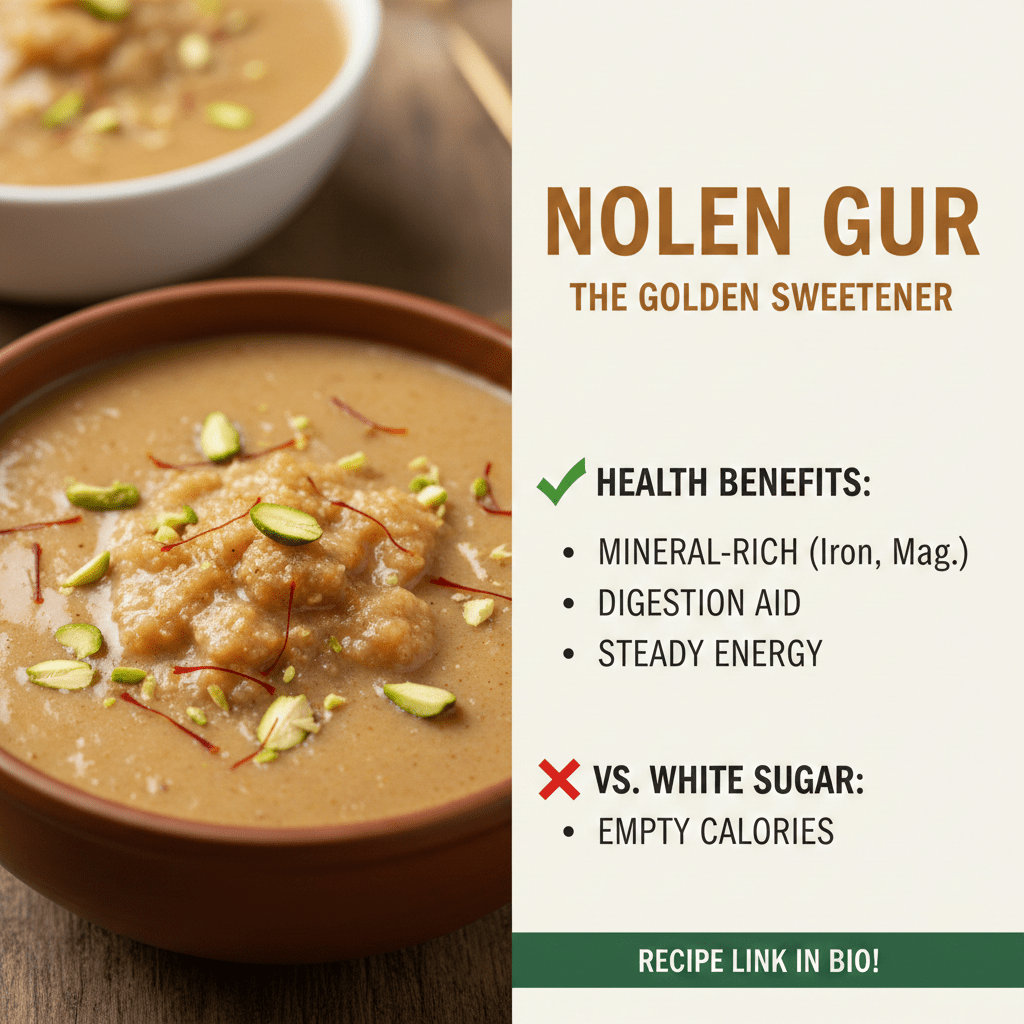
While the incredible smoky-caramel flavor is reason enough to love Nolen Gurer Payesh, this seasonal golden sweetener actually packs a nutritional punch that refined white sugar simply can’t match. Here’s why Date Palm Jaggery (Jola or Patali) is a healthy alternative to sugar:
- Rich in Essential Minerals: Unlike white sugar, which provides “empty calories,” Nolen Gur is a natural source of Iron, Magnesium, and Potassium. It’s a great way to sneak some minerals into your dessert!
- Aids Digestion: In traditional Ayurveda, jaggery is known to activate digestive enzymes. This makes it the perfect sweetener for a rich, creamy payesh, helping your body process the meal more comfortably.
- Natural Energy Booster: Because it is less refined, jaggery is digested more slowly than white sugar. This means you get a more sustained release of energy without the sudden “sugar crash.”
- Winter Wellness: Nolen Gur is considered a “warming” food. It’s traditionally used in Bengal to help the body maintain internal heat and ward off common seasonal chills during the colder months.
💡 Cook’s Note: Because Nolen Gur is so flavorful and rich, you’ll often find you need less of it to satisfy your sweet tooth compared to processed sugar. It’s a more mindful way to indulge!
Why You’ll Never Make Nolen Gurer Payesh Recipe on the Stove Again
Making a traditional nolen gurer payesh recipe shouldn’t feel like a chore. By utilizing the gentle, consistent heat of a rice cooker and mastering the “Warm Mode” transition, you’ve turned a complex Bengali classic into a foolproof weeknight treat. You get all the velvety texture and smoky depth of date palm jaggery without the constant stirring or the heartbreak of curdled milk.
Whether you are celebrating a special occasion or simply craving a bowl of winter comfort, this method ensures your payesh is perfect every single time. It’s the ultimate bridge between time-honored tradition and modern convenience.
Did you try this date palm kheer recipe? I’d love to see your results! Leave a comment below or tag me in your photos. And don’t forget to watch the full technique in the video above to see that jaggery-folding magic in action!
New to rice cooker cooking? Master the foundations with our Perfect Fluffy Rice tutorial to ensure your grains are never mushy again.
Loved this nolen gurer payesh recipe? I’m constantly sharing more “effortless traditional” hacks and behind-the-scenes kitchen tips on my social channels. Follow along to see what I’m cooking up next:
Submit your review | |