
Some of the links on this website are affiliate links, which means that I may earn a small commission at no additional cost to you if you click through and make a purchase. I only recommend products or services that I personally use and believe will add value to my readers. All opinions expressed here are my own. Thank you for supporting Easy Good Food!
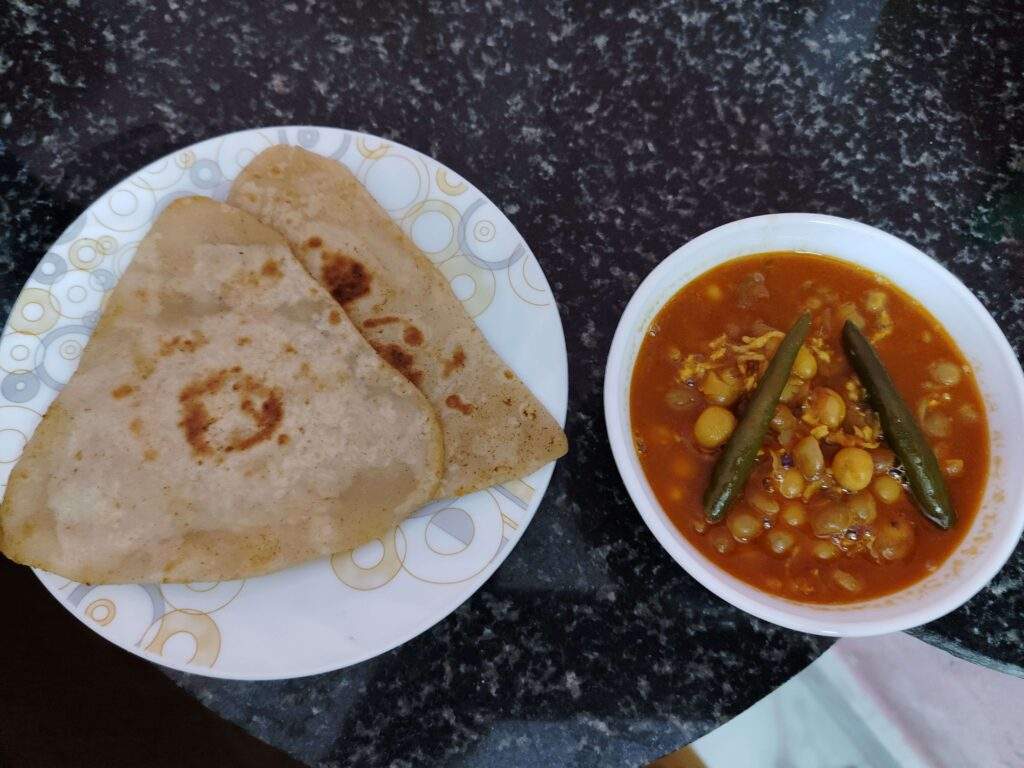
The bustle of Kolkata’s street corners often begins with the aroma of spicy, tangy ghugni. My no onion garlic matar ke chole captures this authentic street-food magic right in your kitchen. It is a soulful, plant-based dish perfect for both casual snacking and your Santoshi Mata Vrat rituals.
This recipe honors the tradition of Sattvic cooking by focusing on pure, whole ingredients. By omitting pungent aromatics, we highlight the earthy sweetness of the yellow peas. It is a gentle yet flavorful meal that feels like a warm embrace. You can enjoy it as a hearty evening snack or pair it with puris (luchi in Bengali) for a comforting meal. Follow this guide to recreate that classic, nostalgic experience while staying true to your fasting guidelines.
Vrat-Friendly Pure Veg Matar Chole Recipe
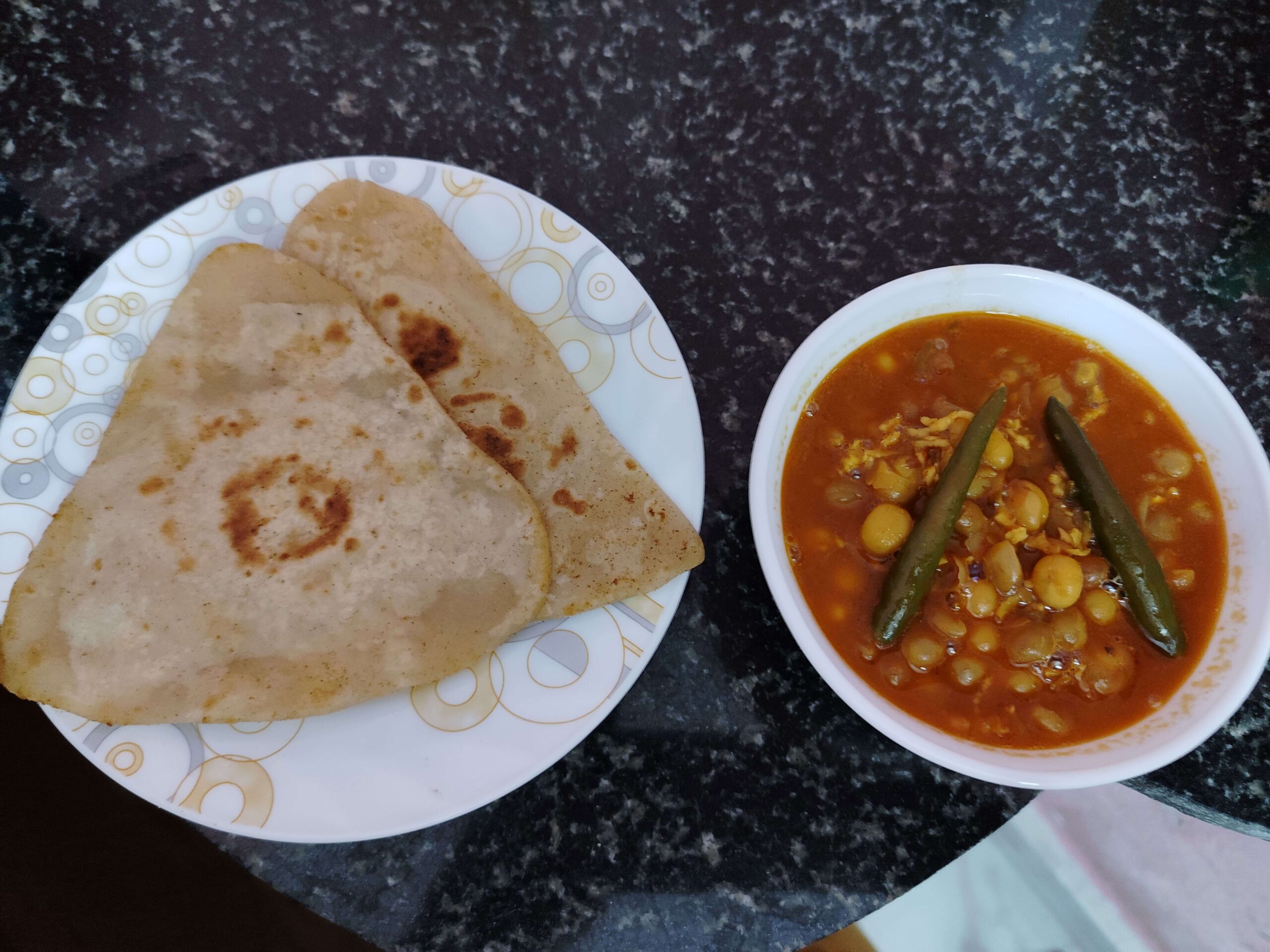

No Onion No Garlic Matar Ke Chole | Kolkata Special Ghugni
Ingredients
Method
- How to Cook Melt-in-the-Mouth Yellow Peas
- Wash and soak the yellow peas overnight (minimum 6-8 hours) at room temperature. Do not put it in the fridge.
- In the morning, wash the peas again twice.
- Add the matar to 1 ½ cups of boiled water in a pressure cooker. Mix ¼ tsp salt and a pinch of turmeric. Set the gas to medium heat and wait for up to 4-5 whistles.
- Turn off the heat and allow the cooker to sit closed for 30 minutes at room temperature.
- Matar Ke Chole Tempering and Cooking
- Heat the kadhai and add the whole spices – jeera, saunf, dalchini, elaichi, and laung. Set the induction cooktop temperature to Keep Warm mode.
- When the seeds turn aromatic (5-10 seconds at low flame), add the ginger-chilli paste. Cook for a minute.
- Now sprinkle haldi and lal mirch powder and saute to make a smooth mix. Empty the boiled yellow peas into the kadhai to make a smooth mix.
- Add 1 ½ cup boiled water, salt, and cover with the lid.
- Cook for 5 minutes at 500W to allow the peas to soak in the essence of the spices.
- Remove the lid to check if the peas are fully cooked.
- Pause the induction cooktop to lock the aroma when you add the grated coconut and the homemade spice mix.
- Set the heat to 800W and cook for 2-3 minutes.
- Finally, turn off the heat and allow a resting time for 5 minutes. Serve hot and fresh.
Video
What to Eat with No Onion Garlic Matar Ke Chole
Elevate your vibrant, onion-and-garlic-free matar ke chole with these thoughtful accompaniments. These pairings are designed to complement its spiced, earthy profile.
Classic Indian Breads & Rice Meals
- Soft Kulchas or Tawa Kulcha: The traditional street-style combo. A pillowy, leavened flatbread brushed with chopped coriander or kasuri methi provides the ideal soft texture to scoop up the luscious gravy.
- Puffed Poori: The perfectly rich, weekend-style indulgence. Kolkata-style ghugni is best served with crisp, hot and puffed whole-wheat pooris. The contrast between the crunchy bread and tender peas is exceptional.
- Steamed Jeera Rice: Turn it into a comforting bowl meal by serving the chole over a bed of fragrant cumin-tempered basmati rice.
Fresh Salads & Accompaniments
- Charred Lemon-Radish Salad: Toss thinly sliced white radishes and cucumber ribbons with a generous squeeze of fresh lemon juice, a pinch of black salt (kala namak), and roasted cumin powder. The crisp, peppery crunch cuts through the richness of the legumes.
- Mint-Coriander Fresh Chutney: A bright, no-onion-no-garlic green chutney made with mint leaves, coriander, green chillies, ginger, and a dash of curd or lemon juice offers a cool, herbaceous contrast.
- Roasted Cumin Raita: A simple whisked yogurt flavored with toasted cumin, roasted and crushed mint leaves, and a tiny pinch of rock salt (sendha namak) to soothe the palate against the warm whole-spice notes.
Garnishes
- Julienned Ginger: Fresh, matchstick-cut ginger sprinkled right before serving adds a sharp, clean bite that accentuates the grated coconut finish.
- Slit Green Chillies: For those who appreciate extra heat, a few fresh green chillies tossed on top add a bright pop of color and spice.
- Fresh Lemon Wedge: Always serve with a wedge of lemon on the side so diners can adjust the acidity to their liking. However, skip this if you are fasting on Friday for Santoshi Mata vrat (the no sour rule).
Looking for more pure veg and sattvic recipes?
Follow our no onion no garlic archive page for exciting savoury meals.
The Secret to Melt-in-the-Mouth Matar: My Kitchen Notes & Hacks
It can be surprising to see why I cooked a small batch of yellow peas at a time. Do not leave until you have read the following notes based on my food research and personal experience.
Measurement & Pro-Tips for Soft Matar ke Chole
- Perfect Portioning: For a hearty breakfast serving 3 people alongside parathas, I find that 2/3 cup of raw yellow peas is the ideal amount.
- The Yield Factor: This specific measurement expands perfectly to provide a satisfying, well-proportioned meal without leaving unnecessary leftovers.
- Soaking Time: Wash and soak the yellow peas in water for at least 8 hours (ideally overnight) at room temperature. Soaking them in the refrigerator can cause the legumes to become stiff, which often prevents them from softening properly even after extended boiling.
Food Safety & Shelf-Life in a Tropical Climate
- A Note on Freshness & Our Climate: While the reputed international guidelines suggest cooked legumes can last up to 5 days in the refrigerator, my personal experience in our tropical Indian climate is quite different.
- Storage Best Practice: Yellow peas are delicate and tend to stale much faster than chickpeas especially during summer, even when refrigerated. I strongly recommend consuming this dish within 24 hours of cooking for the best flavor and safety.
- Safety Timing: Do not leave the cooked curry at room temperature for more than 2 hours after it has cooled.
- Trust Your Senses: Always trust your own judgment regarding freshness over general storage charts, as they are not designed for our local humidity.
No Onion, No Garlic: Balancing Flavor for Vrat-Friendly Cooking
- The “Tart-Free” Balancing Act: When preparing dishes for a Santoshi Mata Vrat where souring agents like tomatoes or amchur are excluded, the flavor profile can feel flat.
- The Flavor Engine: I compensate for the lack of tartness by increasing the depth of my Bhaja Moshla (roasted spice blend). The smokiness from slow-roasted cumin and dry red chilies provides a “weight” to the dish that replaces the missing acidity.
- Sweetness as a Tool: A tiny pinch of jaggery or sugar can help round off the sharp edges of the spices, creating a balanced, mellow taste that is naturally Sattvic.
- Texture Over Tang: Since you lose the “bite” of onion and garlic, focus on the creaminess of the peas. Ensuring they are cooked to a soft, melt-in-the-mouth consistency is essential to keeping the dish satisfying without relying on heavy aromatics.
Because Nobody Likes “Stone Soup” for Breakfast
Who knew that 2/3 cup of yellow peas and a little bit of patience could cause such a stir? With these no-onion-garlic hacks, you’re officially ready to own your kitchen and impress your family, friends, (or just yourself). No more guesswork, no more soggy storage mistakes, and definitely no more bland Vrat meals. Give this recipe a try this weekend, and don’t forget to tag me in your creations—I’d love to see how you pair your perfect bowl of chole!
Enjoyed this post? Join our community of home cooks! Subscribe to our YouTube channel and follow our social media handles for daily Vrat-friendly tips, induction cooking hacks, and authentic Indian flavors delivered straight to your feed.